The rise of electric vehicles (EVs) has revolutionized personal transportation, and with it, the need for convenient home charging solutions. For homeowners in Silicon Valley, understanding how to choose the right home EV charger is crucial for efficiency, convenience, and, most importantly, safety. At Safety First Electric, we believe in empowering our community with knowledge to make informed decisions about their electrical needs, especially when embracing new technologies like EVs.
Understanding Home EV Charger Levels
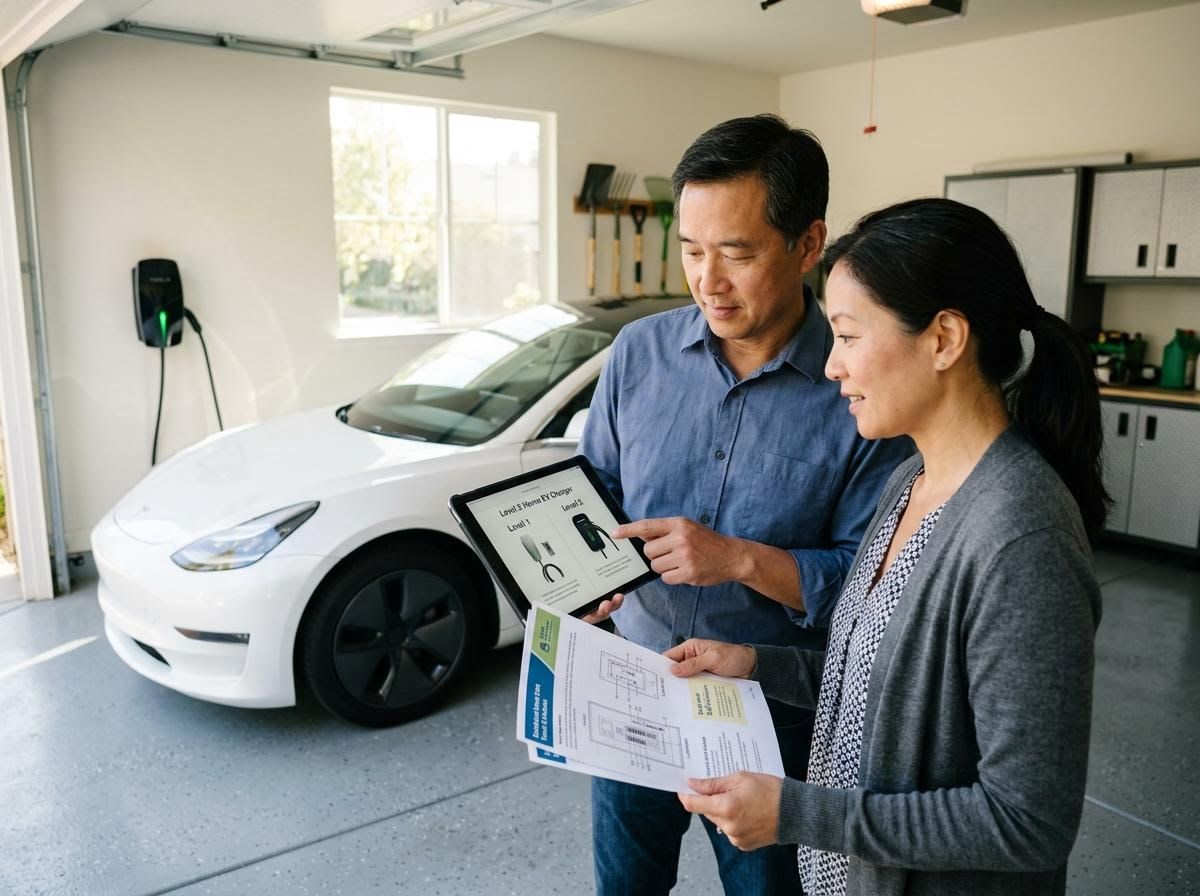
When selecting an EV charger for your home, you'll primarily encounter two main types: Level 1 and Level 2. Level 1 chargers use a standard 120-volt outlet, like those found throughout your home, and typically provide a slow charge, adding only a few miles of range per hour. While convenient for occasional top-offs or for those with minimal driving needs, it may not be practical for daily commuting. Level 2 chargers, on the other hand, operate on a 240-volt circuit, similar to an electric clothes dryer, and can charge your EV significantly faster, often fully recharging overnight. This makes Level 2 the most popular and practical choice for most homeowners seeking efficient daily charging.
Assessing Your Home's Electrical Capacity
Before investing in a Level 2 EV charger, it's crucial to assess your home's current electrical infrastructure. A Level 2 charger requires a dedicated 240-volt circuit, and your existing electrical panel must have sufficient capacity to handle the additional load. Older homes or those with electrical panels already nearing their limit may require an electrical panel upgrade to safely accommodate a new EV charger. This upgrade ensures your system can handle the increased demand without tripping breakers or creating potential hazards. When planning for such an upgrade, homeowners should explore whether there is an electrical panel upgrade tax credit California residents can utilize, as well as investigate electrical upgrade financing options to help manage the investment.
Navigating Incentives and Rebates for Installation
The transition to electric vehicles and the necessary charging infrastructure is often supported by various incentives, making the switch even more appealing. Federal programs, such as those within the Inflation Reduction Act (IRA), offer significant savings for energy-efficient home improvements, including EV charger installations. Locally, residents in the Bay Area, particularly those in San Jose, should research IRA electrical rebates San Jose specific programs to reduce installation costs. These rebates can substantially offset the initial investment, making home charging more accessible and affordable for many families.
The Importance of Professional Installation
While the prospect of charging your EV at home is exciting, the installation process for a Level 2 charger requires specialized expertise to ensure safety and compliance with all local electrical codes. Attempting a DIY installation can lead to serious electrical hazards, including short circuits, fires, or electrical shock, jeopardizing your home and family. A qualified, licensed electrician will not only install the unit correctly but also ensure your entire electrical system can safely support the new load, providing you with peace of mind and reliable charging for years to come.
Choosing and installing the right home EV charger is a significant step towards sustainable living and daily convenience for Silicon Valley homeowners. By understanding charger types, assessing your electrical system's capacity, leveraging available financial incentives, and prioritizing professional installation, you can create an efficient and safe charging setup tailored to your needs. For expert guidance on charger selection, electrical panel upgrades, and reliable installation services that put your safety first, consider consulting Safety First Electric to power your EV journey responsibly and effectively.