
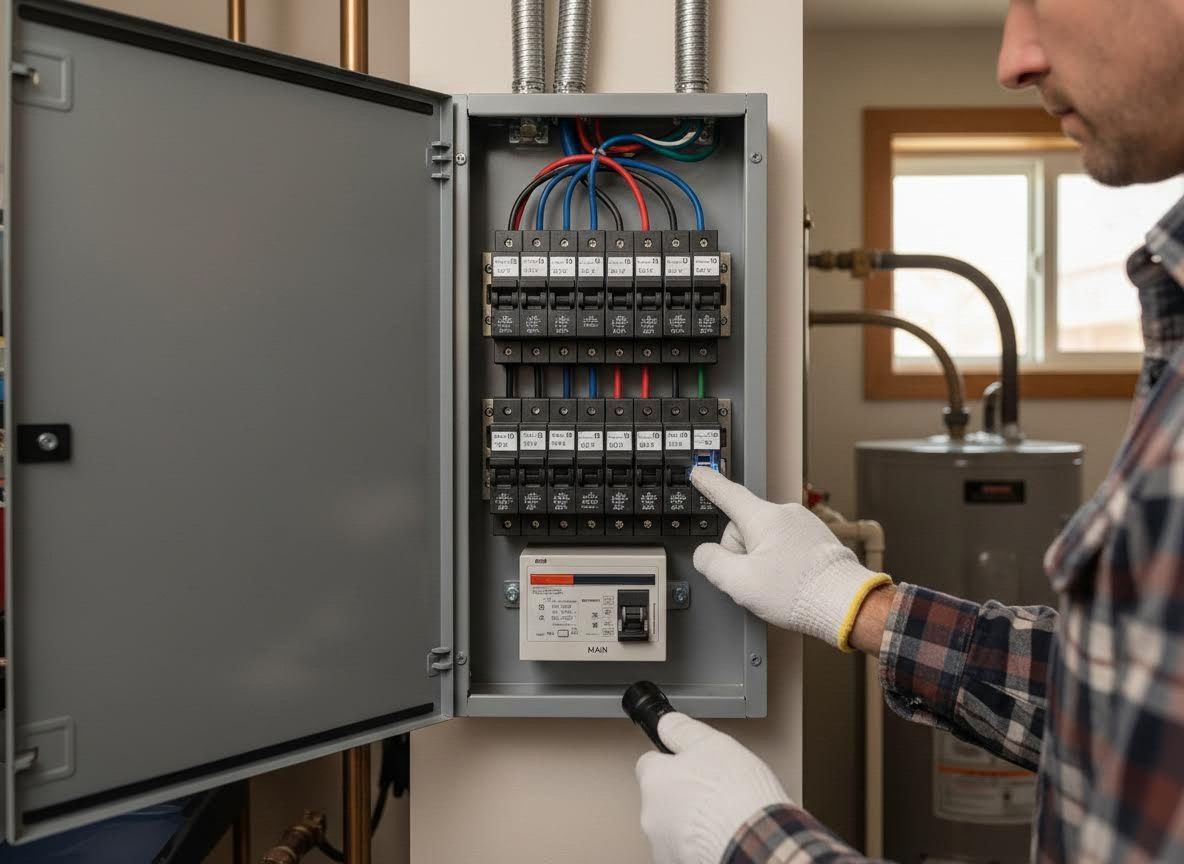
Your Bay Area home's electrical panel is the central nervous system of your power supply, a vital component that ensures both convenience and, most importantly, safety for your family. Understanding what the various switches and indicators mean can empower you to maintain a safer household and troubleshoot minor electrical inconveniences. At Safety First Electric in California, we believe in educating our community to foster safer living environments, starting with the very heart of your home’s electrical system.
Understanding Your Electrical Panel
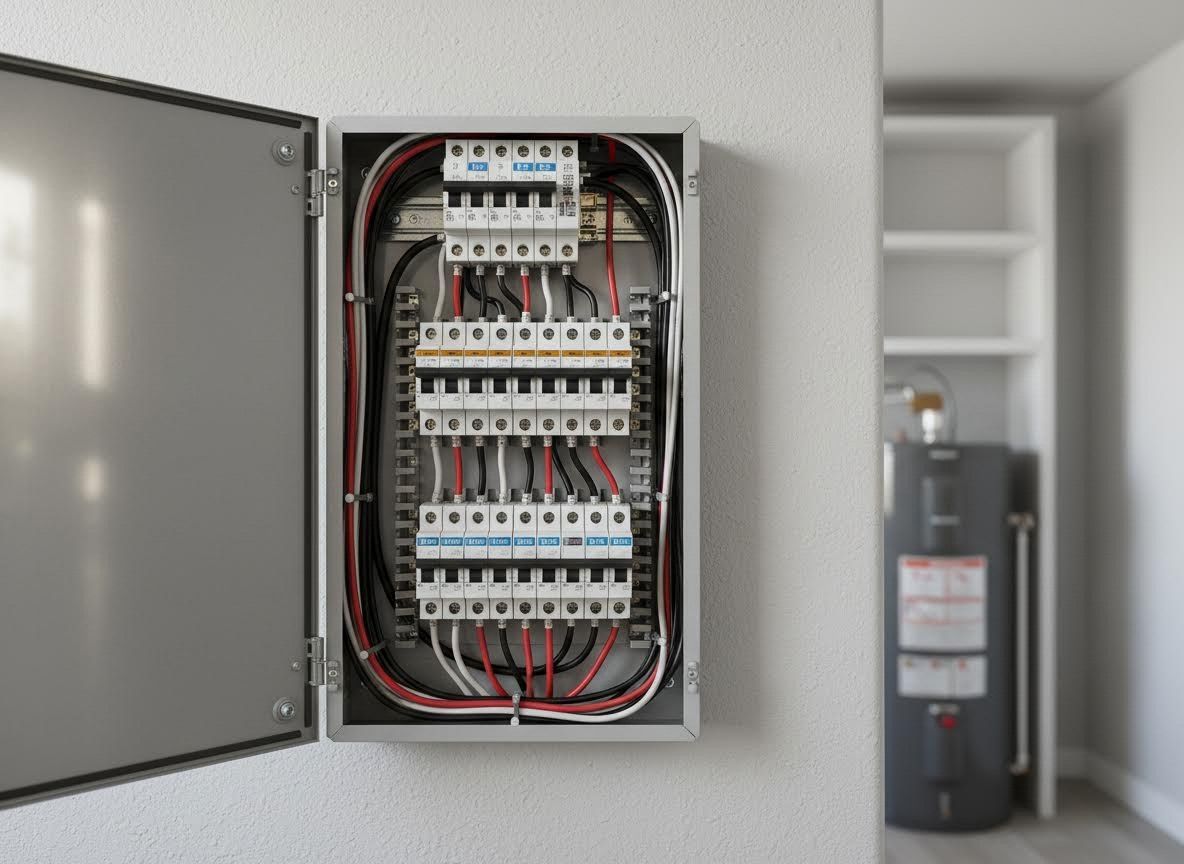
At its core, your electrical panel, often called a breaker box or fuse box, acts as the distribution hub for all electricity flowing into your home. It takes the main power supply from the utility company and divides it into smaller circuits, each protected by a circuit breaker. These breakers are essential safety devices designed to automatically cut off power to a circuit if they detect an overload or a fault, preventing potential hazards like fires or damage to appliances. Think of them as vigilant guardians for your entire San Jose home's electrical wiring.
The Purpose of Each Switch (Breaker)
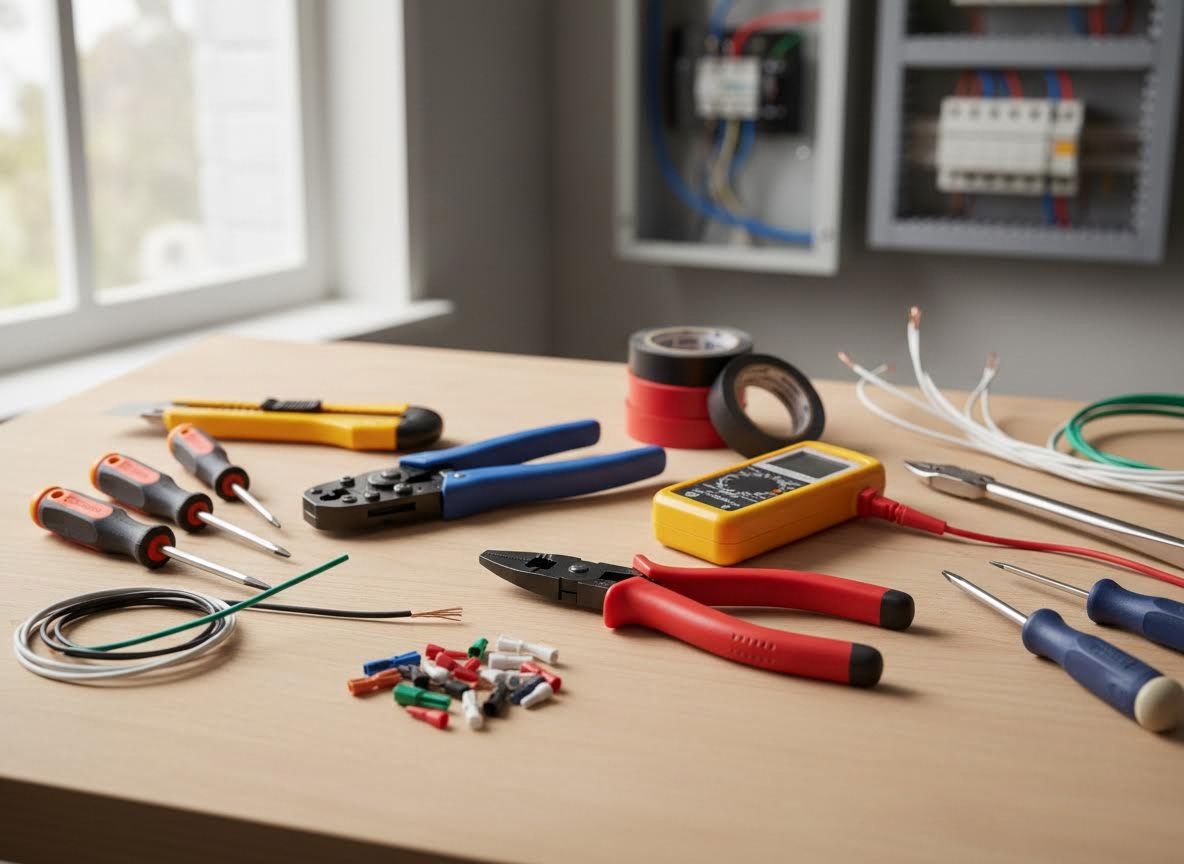
The "switches" you see inside are individual circuit breakers, each dedicated to protecting a specific part of your home's electrical system, like your kitchen outlets, bedroom lights, or major appliances. When a breaker "trips," it moves to an "off" or middle position, indicating it has interrupted the flow of electricity to that circuit. There are primarily three types you might encounter: standard breakers for general use, Ground Fault Circuit Interrupter (GFCI) breakers for areas near water (like bathrooms and kitchens), and Arc Fault Circuit Interrupter (AFCI) breakers, which protect against dangerous electrical arcs that can cause fires.
Why Breakers Trip and How to Reset Them Safely
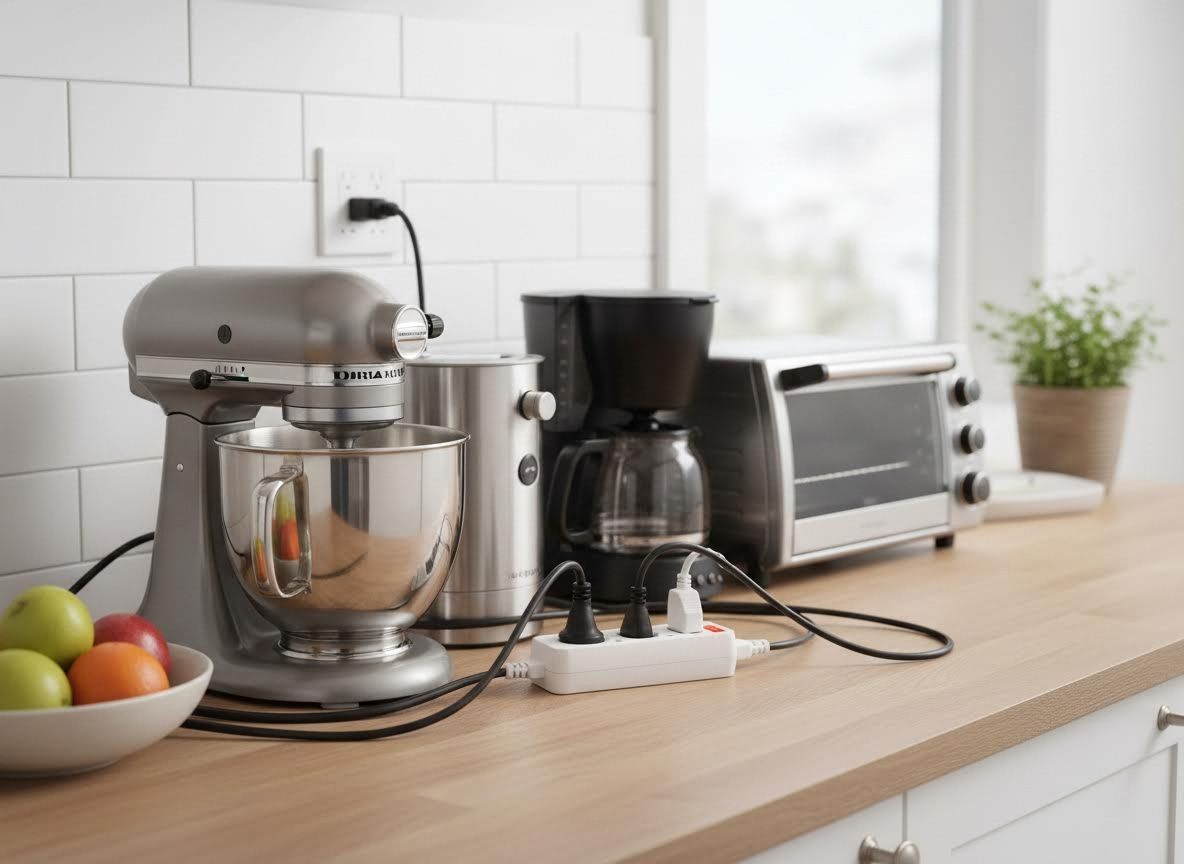
A tripped breaker is a clear sign that a circuit has been overloaded or there's an electrical fault somewhere along the line. Common reasons include plugging too many high-power appliances into one outlet, a faulty appliance, or a short circuit caused by damaged electrical wiring. To safely reset a tripped breaker, first, unplug any devices from the affected circuit. Then, locate the tripped breaker in your panel (it will be in the "off" or middle position). Firmly push the switch to the "off" position first, and then push it all the way to the "on" position. If it trips immediately again, do not try to reset it repeatedly, as this indicates a more serious underlying issue.
When to Call a Professional Electrician
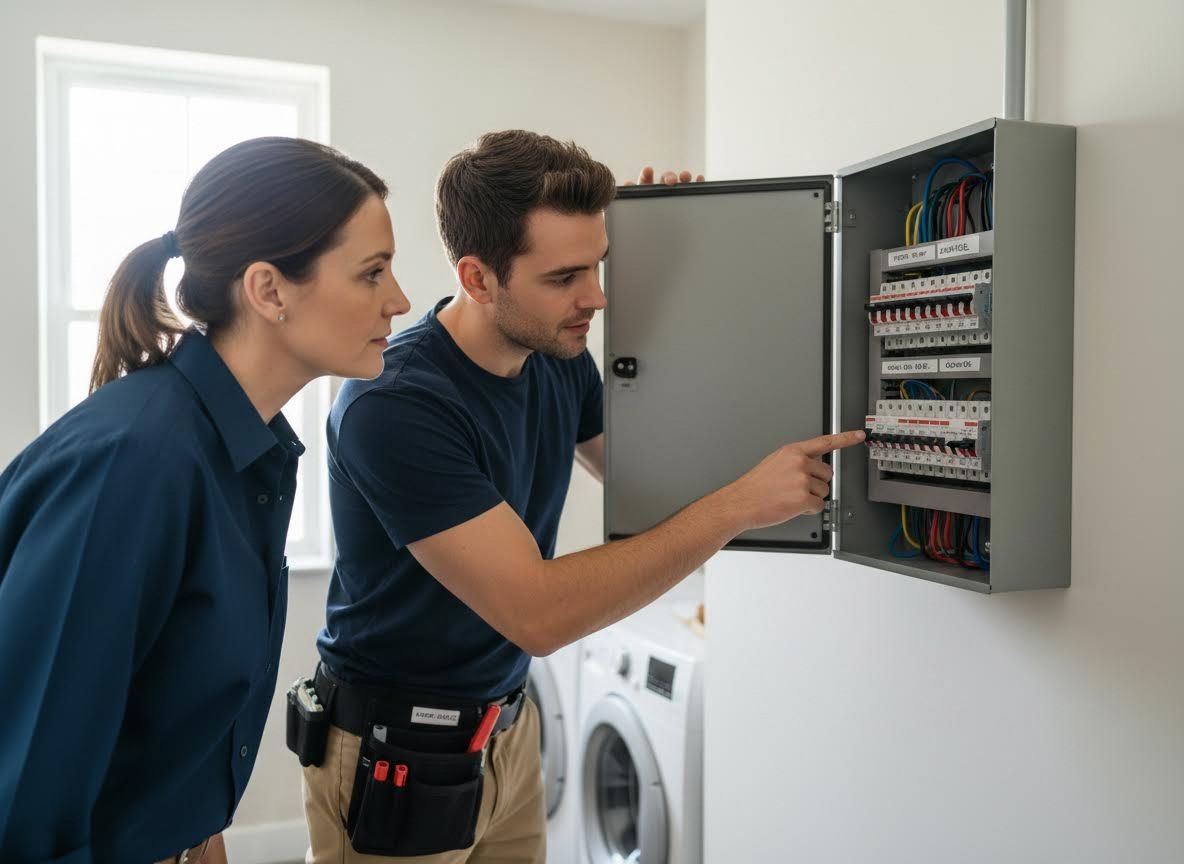
While resetting a tripped breaker is often straightforward, persistent issues or complex electrical needs warrant professional attention. If a breaker frequently trips, it could signal an overloaded circuit that requires an upgraded electrical panel or redistribution of loads, or it might point to deeper problems within your electrical wiring. If you're planning significant electrical additions, like installing an electric car charger, or suspect any issues with your panel's performance, it's crucial to consult our Safety First Electric team.
Understanding your home's electrical panel is a fundamental step in maintaining a safe and efficient household. For any questions about your electrical system, or to ensure your home's power is handled safely and efficiently, call us today!