As California moves towards a greener future, significant changes are on the horizon for homeowners, particularly concerning household appliances. One such change is the upcoming California electric water heater mandate 2027, which will impact many residences across the state. Understanding these new regulations is key to ensuring your home remains compliant, efficient, and safe. At Safety First Electric, we believe in empowering our community with clear, actionable information to navigate these transitions smoothly. This post will break down what you need to know about the mandate and its potential effects on your home's electrical system.
Understanding the Mandate for Electric Water Heaters
The California electric water heater mandate 2027 is a significant step in the state's broader effort to reduce greenhouse gas emissions and combat climate change. This regulation, part of California's ambitious clean energy goals, will essentially require new water heater installations and replacements to be electric, specifically heat pump water heaters, by 2027. The goal is to move away from natural gas appliances, which contribute to carbon emissions, towards more energy-efficient electric alternatives. For homeowners, this means that when your existing gas water heater reaches the end of its lifespan, or if you're building a new home, an electric model will be the required replacement. This shift promises long-term environmental benefits and can lead to energy savings, but it also necessitates a look at your home's current electrical infrastructure.
The Crucial Role of Your Electrical Panel
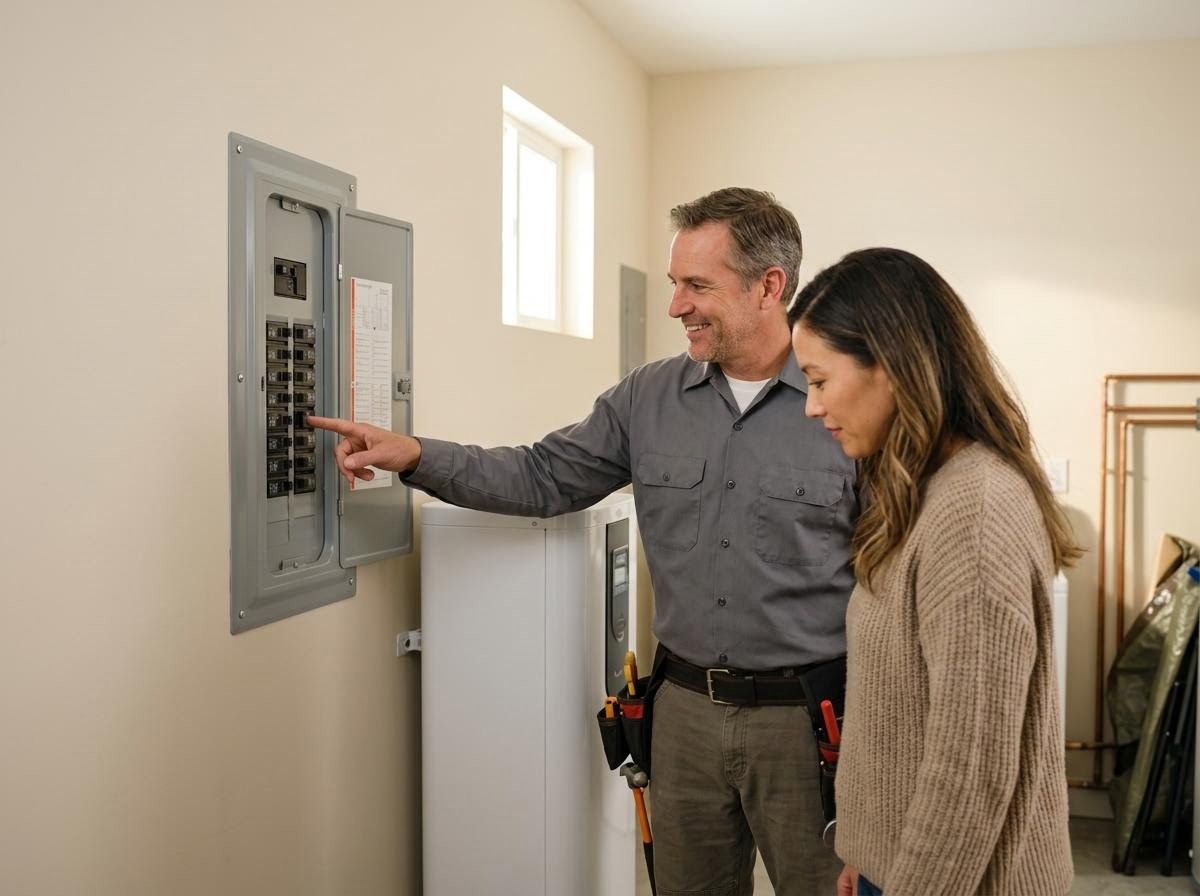
The transition to electric water heaters, particularly heat pump models, introduces new considerations for your home's electrical system. Unlike traditional gas water heaters, electric models draw a significant amount of power. Many older homes, especially those with original electrical panels, might not have the capacity to safely handle the increased demand. This is where an electrical panel upgrade San Jose becomes a critical component of preparing for the mandate. An insufficient electrical panel can lead to tripped breakers, power fluctuations, and, in severe cases, present safety hazards. A professional assessment can determine if your current panel has enough amperage and space to accommodate a new electric water heater and other modern electric appliances without compromising safety or efficiency.
Preparing for the Electric Appliance Transition CA
Navigating the broader electric appliance transition CA requires thoughtful planning and proactive steps. Beyond the water heater mandate, California is moving towards electrification in other areas of the home, including heating and cooking. It's wise for homeowners to start thinking about their entire home's energy needs. Consider a comprehensive home energy audit to understand your current consumption and identify areas for improvement. Planning for potential electrical upgrades now, rather than waiting until an old appliance fails, can save you stress and ensure a smoother transition. This might involve budgeting for an electrical panel upgrade San Jose or exploring options for improved wiring to support new electric appliances. Being prepared means you can make informed decisions that benefit your wallet, your home's safety, and the environment.
The California electric water heater mandate 2027 represents a significant step towards a more sustainable future for our communities. By understanding these upcoming changes, assessing your home's electrical capacity, and planning for the electric appliance transition CA, you can ensure a smooth and safe shift to more energy-efficient appliances. For insights into how these changes might specifically affect your home's electrical system, we invite you to explore resources from Safety First Electric and learn more about scheduling a home electrical assessment to prepare for these important updates.