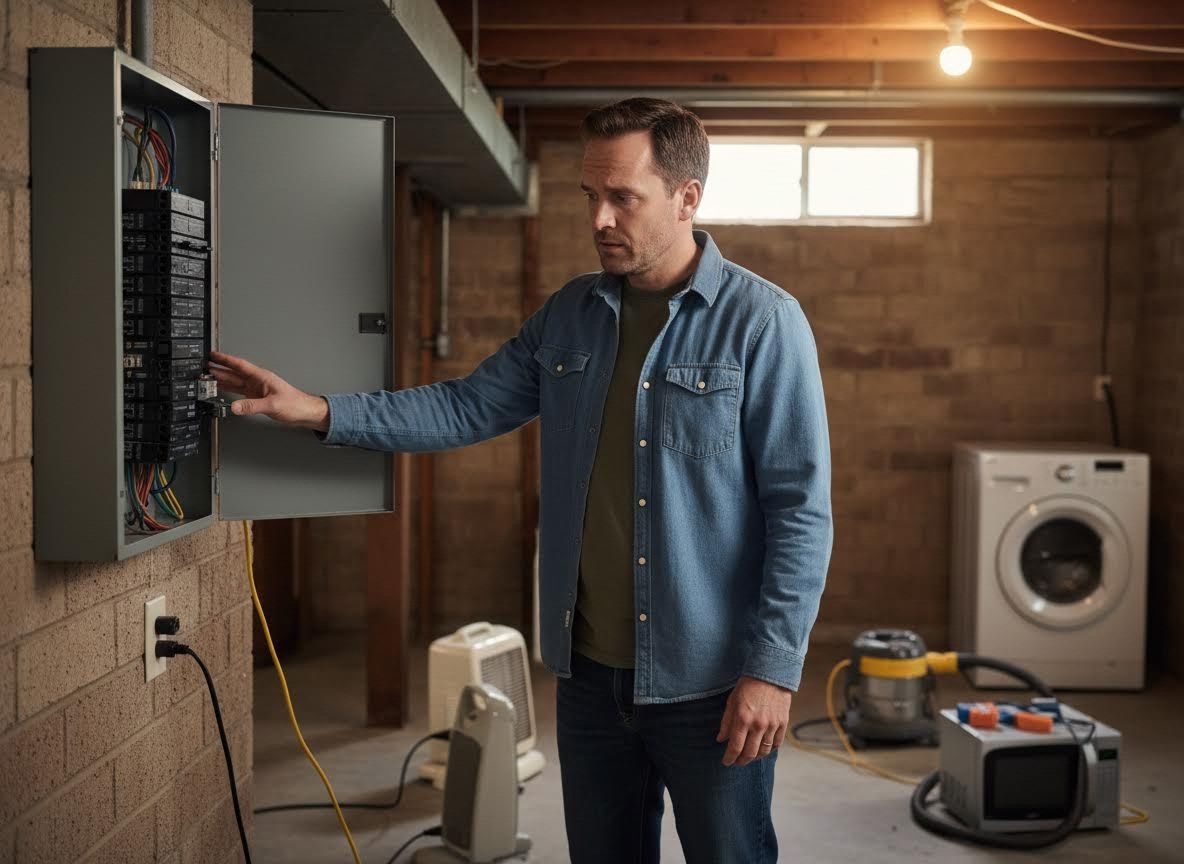
A circuit breaker acts as your home's guardian, designed to automatically shut off power to a circuit when it detects an issue, preventing potential damage to your appliances and, more importantly, protecting your family from electrical hazards like fires. While an occasional trip can be a minor inconvenience, it's a vital safety mechanism working exactly as intended. At Safety First Electric, we believe understanding why your breaker trips is the first step toward a safer, more reliably powered San Jose, CA, home.
Overloaded Circuits: The Most Common Culprit
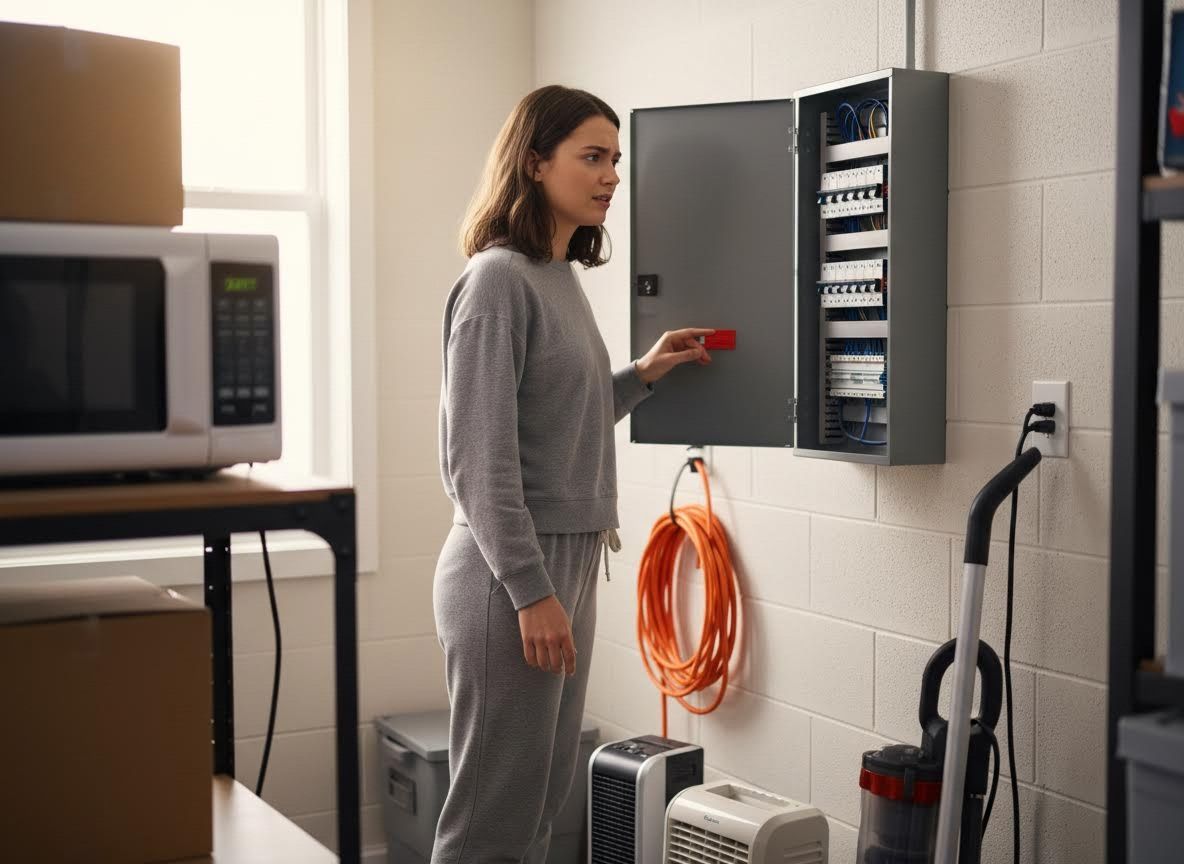
One of the primary reasons a circuit breaker trips is an overloaded circuit. This happens when you plug too many high-power devices into outlets connected to the same circuit, demanding more electricity than the circuit is designed to safely handle. For example, running a space heater, a vacuum cleaner, and a microwave simultaneously on the same circuit can easily exceed its capacity. The breaker senses this excessive demand and trips to prevent overheating of the electrical wiring, which could lead to fire. As a responsible homeowner, it's wise to distribute high-wattage appliances across different circuits or consider which appliances are drawing significant power.
Short Circuits and Ground Faults: Serious Safety Signals
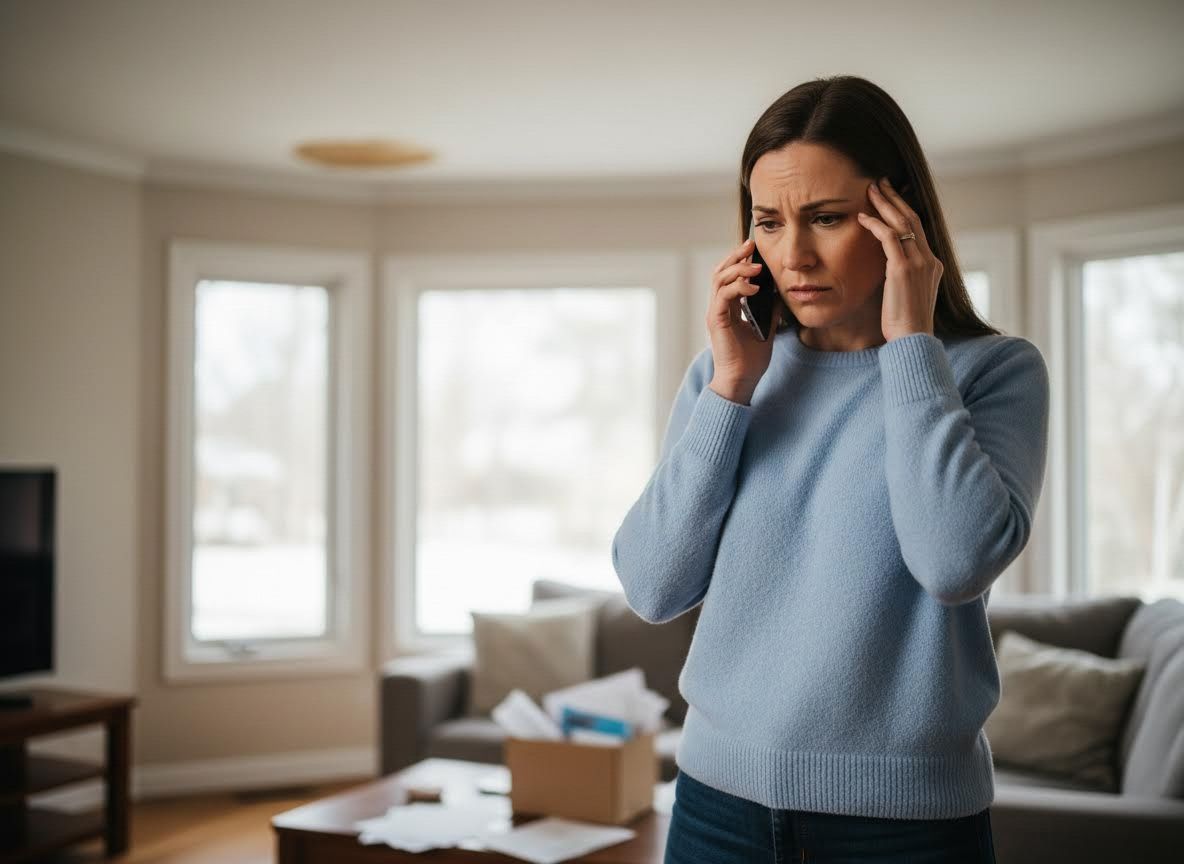
Beyond simple overloads, a tripping breaker can also indicate more serious electrical faults, such as a short circuit or a ground fault. A short circuit occurs when a hot wire touches a neutral wire, creating a direct path for electricity with very little resistance, causing a sudden surge of current. This can be due to damaged appliance cords, faulty outlets, or issues within your home's electrical wiring. A ground fault happens when a hot wire touches a grounded part of the system or the ground itself, which is particularly dangerous in areas near water, like bathrooms or kitchens. Both short circuits and ground faults are immediate safety hazards that cause breakers to trip instantly to prevent electrocution or fire.

When to Call the Professionals: Persistent Problems and Outdated Systems
While resetting a tripped breaker due to an overloaded circuit is often a simple fix, if your breaker trips frequently, or if it trips immediately after being reset, it's a clear sign of a more serious underlying problem. This could indicate an issue with your home's electrical wiring, a faulty appliance, or even an outdated electrical panel that isn't equipped to handle your household's modern electrical demands. Attempting to diagnose or repair complex electrical issues yourself can be extremely dangerous. In such cases, you might need an emergency electrician to ensure your home's safety and pinpoint the exact cause. If your system is older, you might need to upgrade your electrical panel to ensure it meets current safety standards and can handle all your devices.
Safety First Electric is your trusted Bay Area electrician, offering comprehensive services from diagnosing persistent breaker issues to full electrical wiring inspections and installations for modern conveniences like an electric car charger. Contact us for a professional assessment!